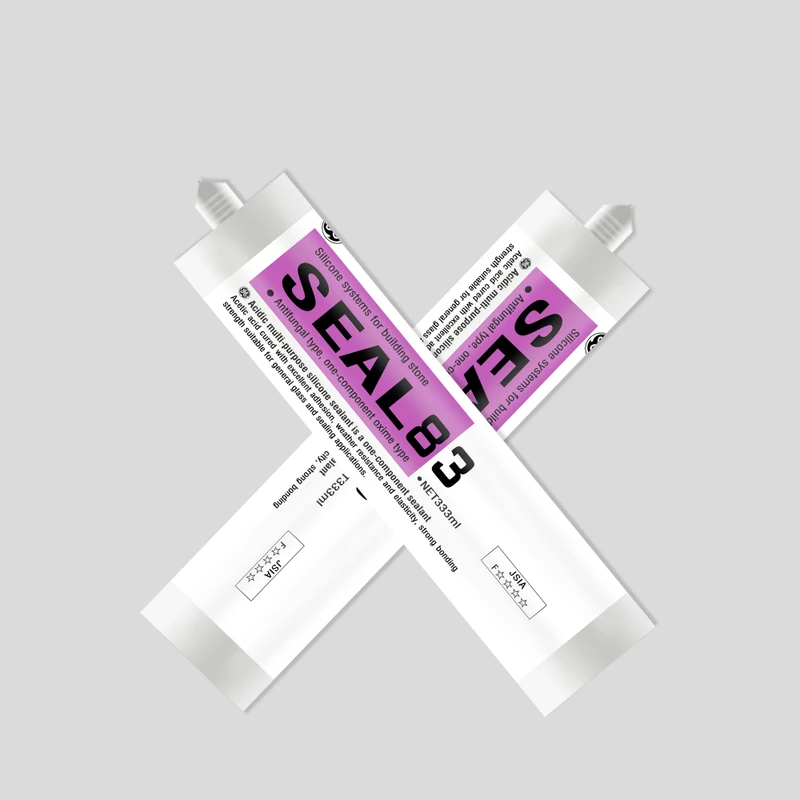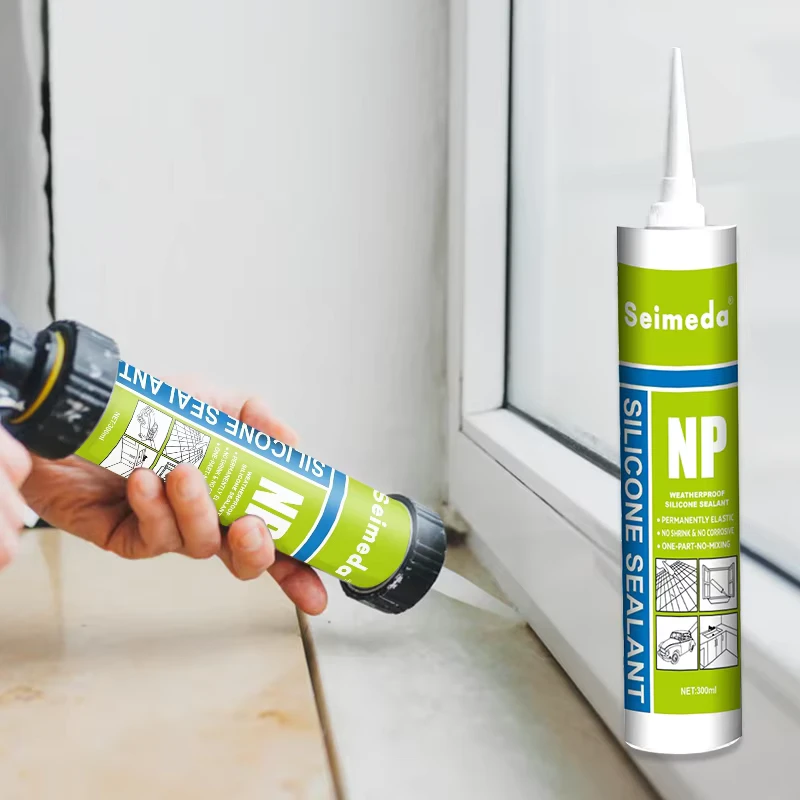

Compare paintable acrylic and neutral-cure silicone sealants for interior gaps, windows, doors, woodworking, and PVC-U procurement.
Sealant procurement begins with a practical question: what must the finished joint do? Paintability, moisture resistance, substrate compatibility, curing behavior, and packaging all influence the right choice. For importers and project buyers, matching the chemistry to the application is more useful than selecting one sealant for every job.
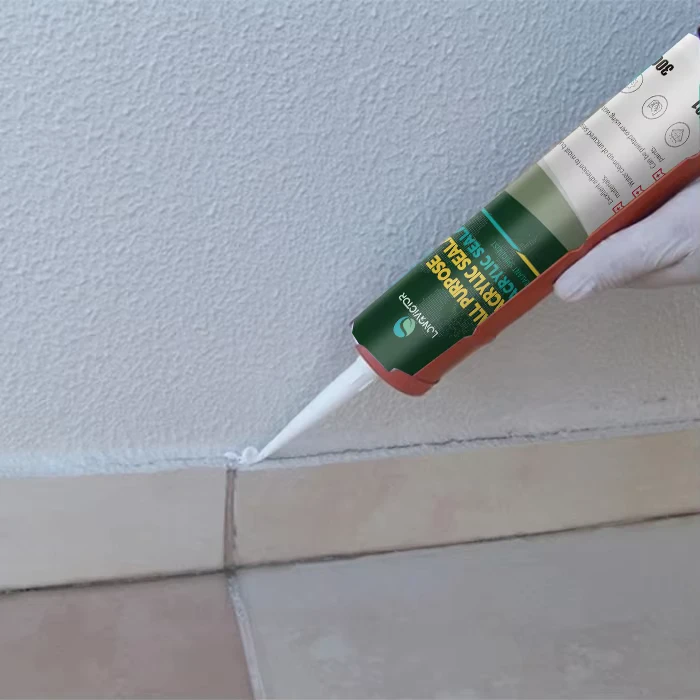
Paintable Caulk for Interior Finishing
For gaps around cornices, trim, wall joints, and other interior decoration details, a paintable acrylic caulk offers a convenient finishing solution. This white, water-based acrylic product is supplied in a 300 ml format and can be painted after curing, helping contractors create a consistent surface appearance. OEM buyers can discuss cartridge or sausage packaging, branding, color requirements, and order quantities.
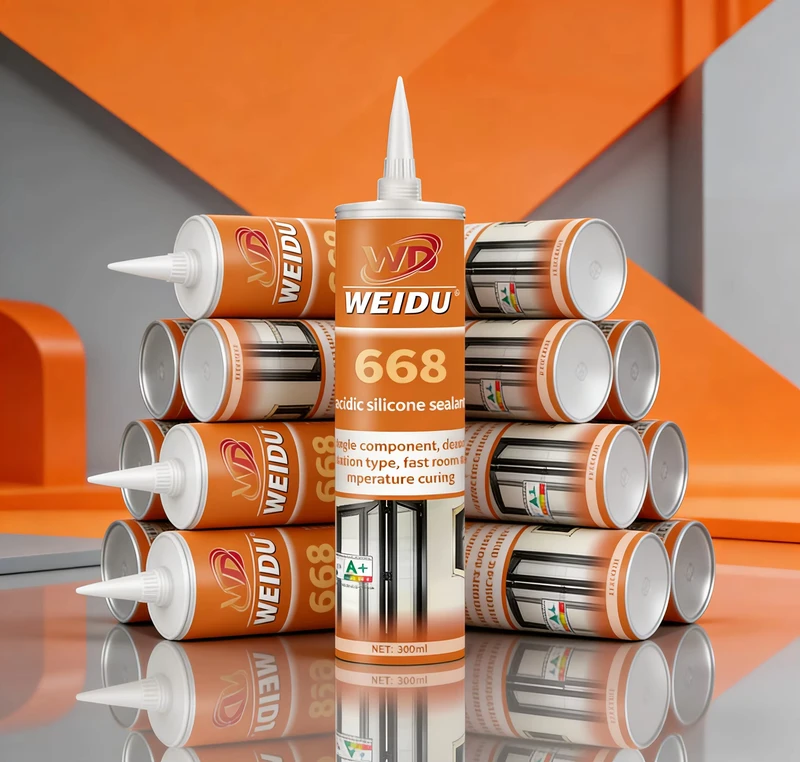
Silicone for Doors, Windows, and Mixed Substrates
Joints around door and window systems often require a flexible seal exposed to moisture and temperature changes. The 9800 neutral silicone is designed for bonding and sealing, with waterproof, mold-resistant, and fast-curing characteristics. Its neutral-curing chemistry can be considered for projects where compatibility with common construction materials is important, subject to application testing.
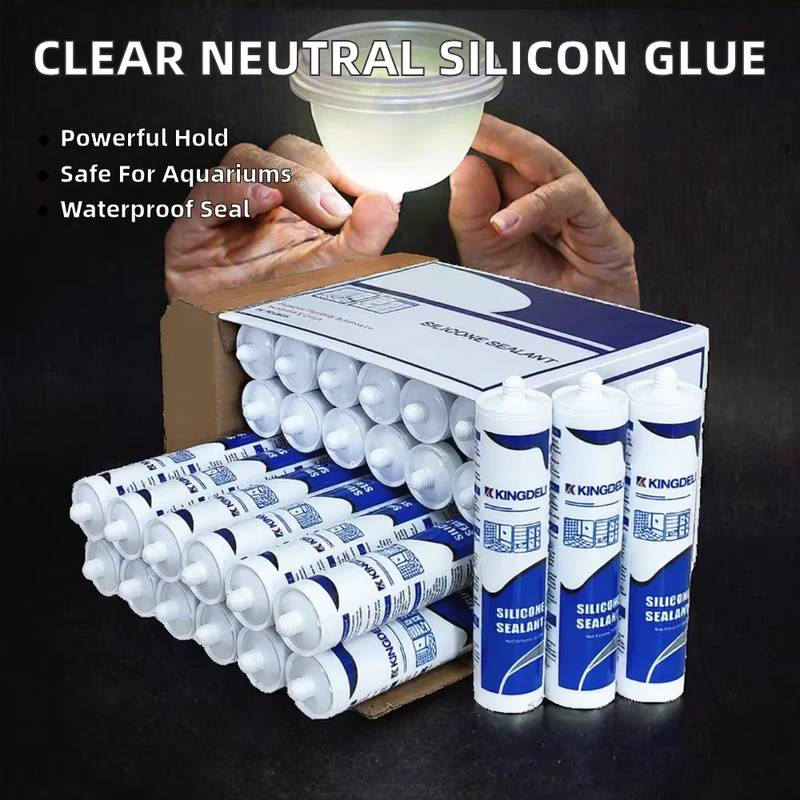
Woodworking and PVC-U fabrication may involve different surfaces and production conditions. The transparent neutral-curing silicone provides another option for sealing and bonding in woodworking, PVC-U, packing, and related industrial uses. Buyers should confirm adhesion, cure time, joint movement, and finish expectations on actual substrates before placing volume orders.
Whether sourcing for distribution, private labeling, or project supply, share your target application, annual volume, package type, and market requirements. Our broader range of waterproofing materials can support product comparison and quotation planning for your next inquiry.