Compare transparent silicone, customizable acrylic, and mildew-resistant sealants for construction, retail, and private-label sourcing.
Waterproof sealants may look similar on a shelf, but their formulation, finish, packaging, and intended environment can significantly affect purchasing decisions. Importers and distributors should therefore build a product range around actual applications rather than treating every cartridge as interchangeable.
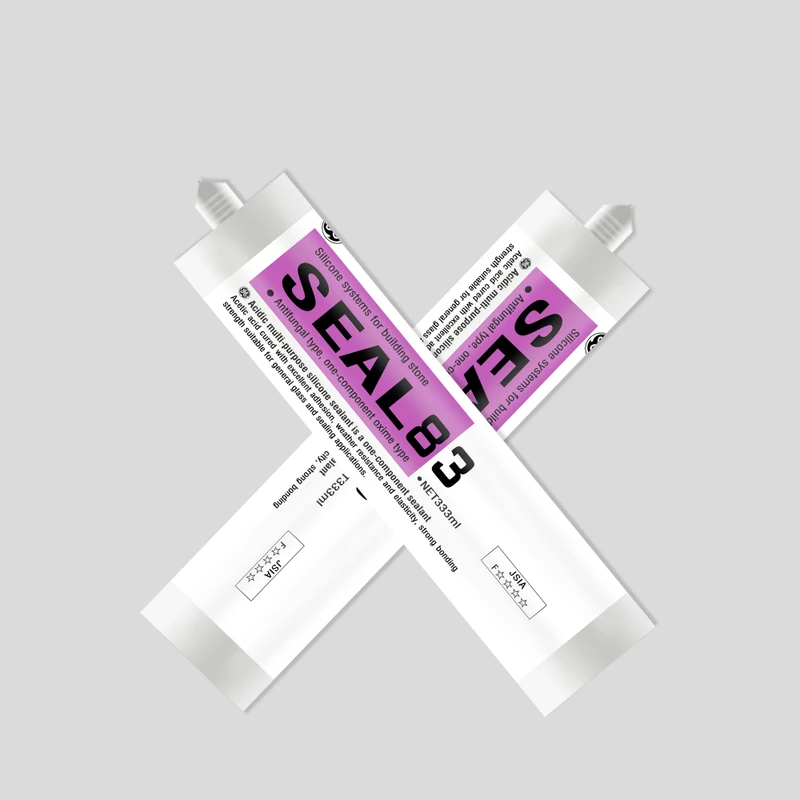
Three Solutions for Different Sealing Needs
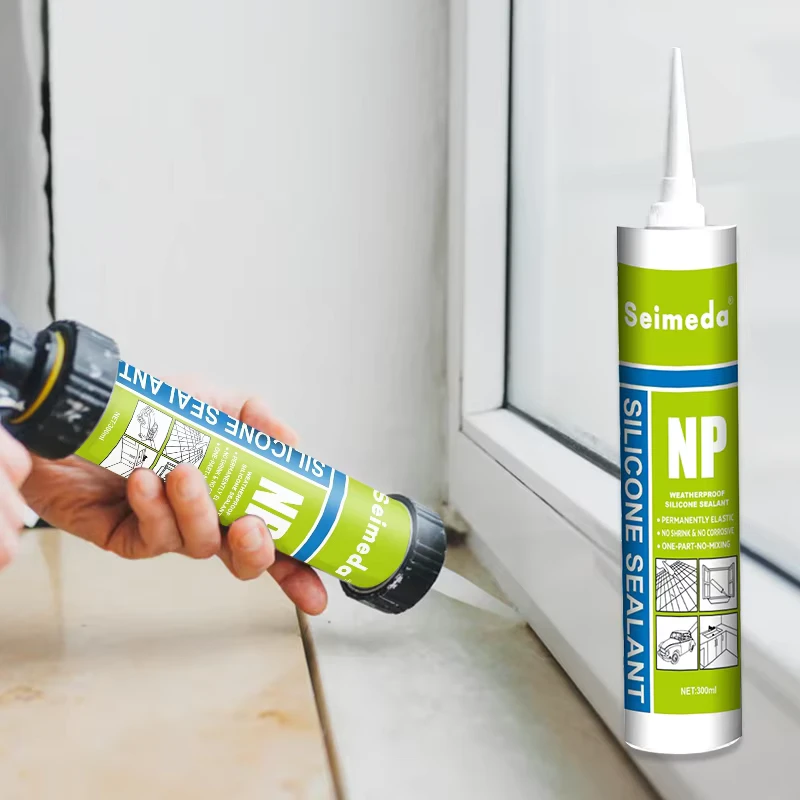
For glass joints and general weatherproof sealing, the transparent GP sealant offers a clear finish suitable for projects where appearance matters. It is available with customized color options and has a stated shelf life of 24 months, making it relevant to construction suppliers, hardware wholesalers, and glass installation channels.
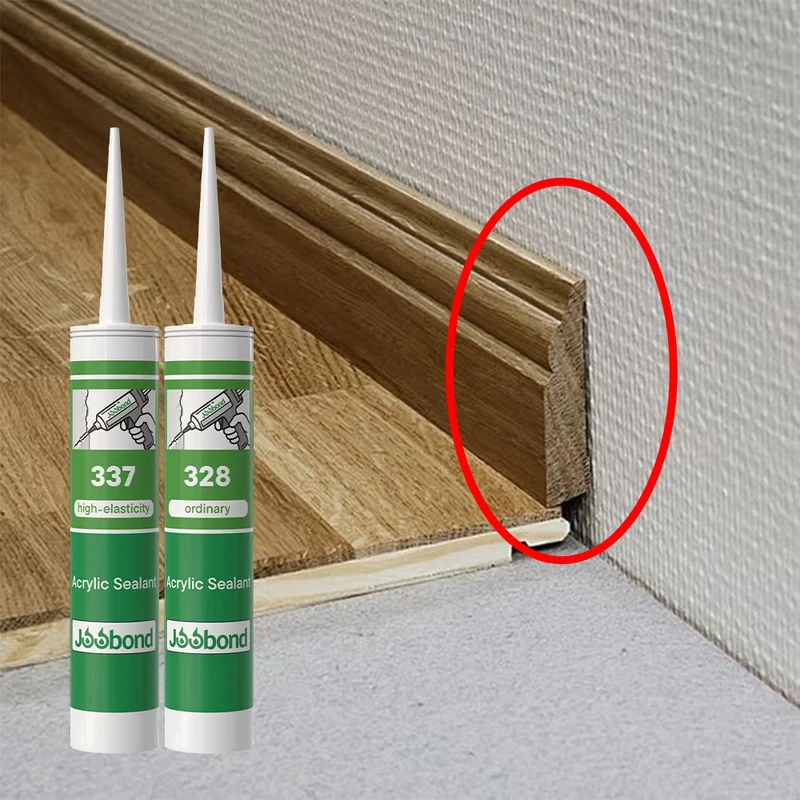
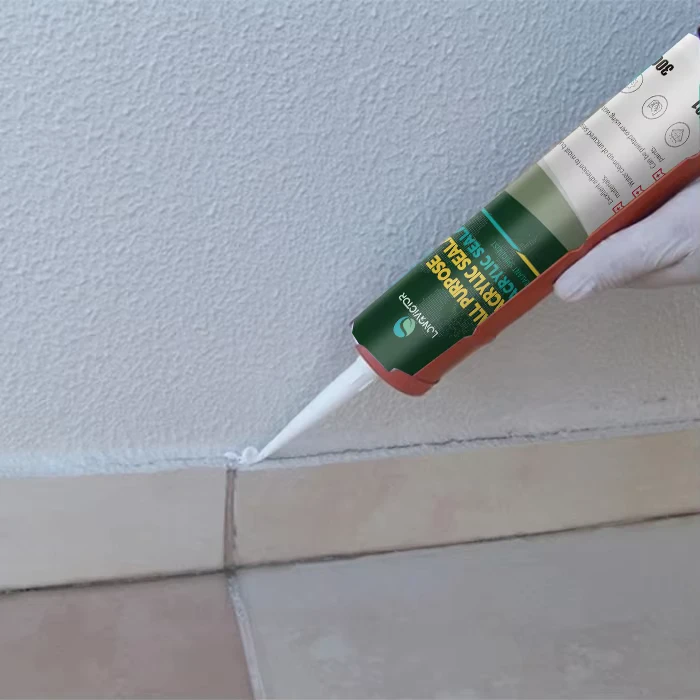
The OEM acrylic sealant is designed for construction, woodworking, and home decoration markets. Its one-component format, customizable color, and OEM or ODM support make it especially practical for private-label programs. Buyers can also request ISO 9001, CE, RoHS, and REACH documentation for review before confirming an order.
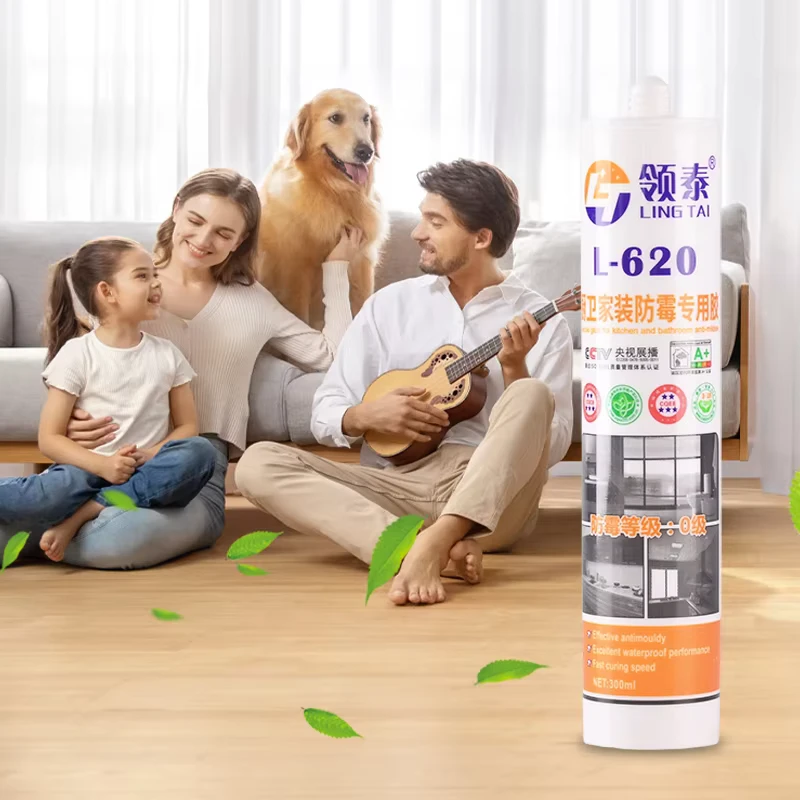
Bathrooms, kitchens, and other moisture-prone interiors require additional protection against visible mold growth. The mildew-resistant silicone is positioned for sanitary sealing as well as glass, construction, and woodworking applications. Soft or rigid packaging options can be discussed according to distribution and merchandising requirements.
Plan the Range Before Requesting a Quote
A strong sourcing brief should specify substrate, joint movement, indoor or outdoor use, color, cartridge size, packaging language, certification needs, and estimated volume. These details help determine whether silicone or acrylic is the better fit and reduce unnecessary sampling rounds. Explore more waterproofing materials, then contact us with your target market and purchasing plan for product recommendations and a tailored quotation.